
EPR Credits Explained: How They Drive India’s Plastic Waste Management Revolution

For years, India’s plastics industry focused on production, efficiency, and innovation. But in recent times, a different kind of progress has started taking shape, one that revolves around accountability. The shift is visible in every part of the value chain, from resin manufacturers to recyclers, from packaging producers to policymakers.
The idea is simple: whoever introduces plastic into the market should also help recover and recycle it. This principle of responsibility has reshaped how the country manages waste. And one of the most significant tools enabling this change is something that cannot be seen or touched but carries measurable value: EPR credits.
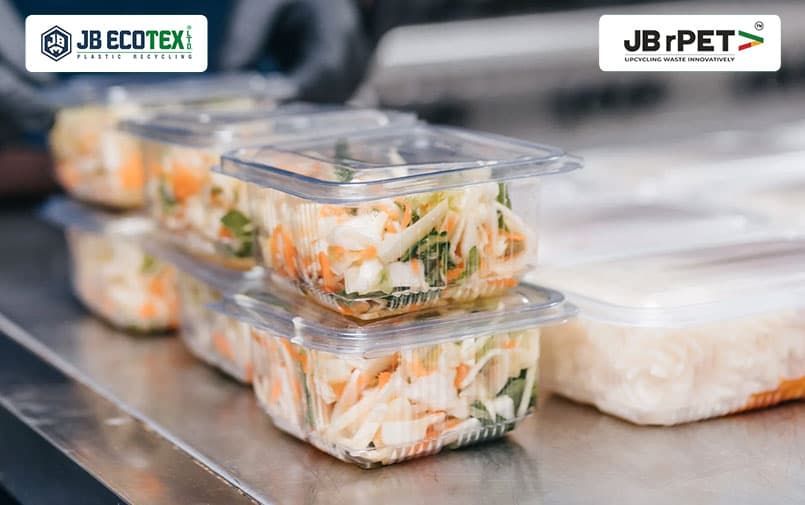
How EPR for Plastic Changed India’s Packaging Landscape
India generates nearly 3.9 million tonnes of plastic waste each year, according to the Central Pollution Control Board (CPCB) Annual Report for 2022–23, with a large share contributed by packaging materials, much of it single-use or multi-layered.
To tackle this issue, the Ministry of Environment, Forest and Climate Change (MoEFCC) introduced the Plastic Waste Management (PWM) Rules in 2016, which were strengthened further through amendments in 2021 and 2022. These amendments established a robust Extended Producer Responsibility (EPR) framework for plastic packaging.
Under the EPR regime, producers, importers, and brand owners (PIBOs) are now required to collect, process, and recycle the equivalent quantity of plastic waste that they introduce into the Indian market, ensuring environmentally sound disposal. EPR for plastic packaging is thus a cornerstone of India’s approach to responsible plastic waste management, connecting all stakeholders in the plastic ecosystem and making waste recovery a legal and quantifiable obligation.
This is where EPR for plastic packaging becomes crucial. It connects every stakeholder in the plastic ecosystem and turns waste recovery into a measurable responsibility.
What Are EPR Credits and Why They Matter
So, what are EPR credits?
EPR credits are verifiable digital certificates that represent proof of recycling. These credits are generated when authorized recyclers or processors collect and recycle a specific quantity of plastic waste under CPCB guidelines.
Every registered recycler must upload details of collection, processing, and recycling onto the EPR Portal for Plastic Packaging, managed by CPCB. Once verified, corresponding EPR credits are issued electronically. Producers and brand owners can then purchase these credits to fulfill their recycling obligations.
This mechanism ensures transparency and traceability. It prevents double counting and confirms that the waste has been genuinely processed.
The official CPCB EPR portal (available at https://eprewastecpcb.in/) allows stakeholders to register, monitor obligations, and access verified recycler data.
By linking compliance with tangible credits, the system transforms responsibility into a market-driven model. This is how EPR credits India now drives collection and recycling at scale.
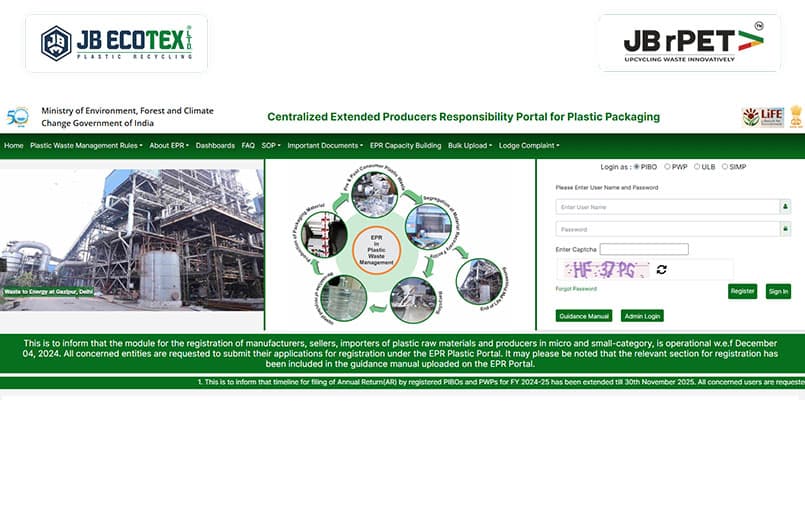
EPR Credits in India: How the System Works
The structure of EPR in plastic waste management is built on three simple ideas: accountability, verification, and market value.
Here’s how it functions in practice:
1. Registration: Producers, importers, brand owners, and recyclers must register on the CPCB’s centralized EPR portal.
2. Target Allocation: PIBOs are assigned annual EPR targets based on the volume and category of plastic they place on the market.
3. Recycling and Credit Generation: Registered recyclers report the quantity of plastic they collect and process. Upon verification, CPCB issues corresponding EPR credits.
4. Credit Transactions: PIBOs purchase these credits from recyclers to meet their obligations.
5. Audit and Verification: Independent audits and quarterly returns ensure transparency across the system.
For resin manufacturers, this model creates a ripple effect. The more recyclers thrive, the more demand there is for materials that can re-enter the production cycle, such as rPET resins. Not to mention that it aligns with the ESG goals.
Who EPR Credits Are Right For — And When to Consider Alternatives
The EPR credits system is designed to make accountability measurable, but not every stakeholder participates in it the same way. Understanding where your business fits can help you plan compliance more efficiently.
1. For Brand Owners and PIBOs
EPR credits are mandatory for producers, importers, and brand owners registered under the CPCB EPR portal. These entities are directly responsible for meeting annual recycling targets set under the Plastic Waste Management Rules. Purchasing verified credits is the most effective way for them to demonstrate compliance when in-house recycling or recovery is not feasible.
2. For Recyclers and Waste Processors
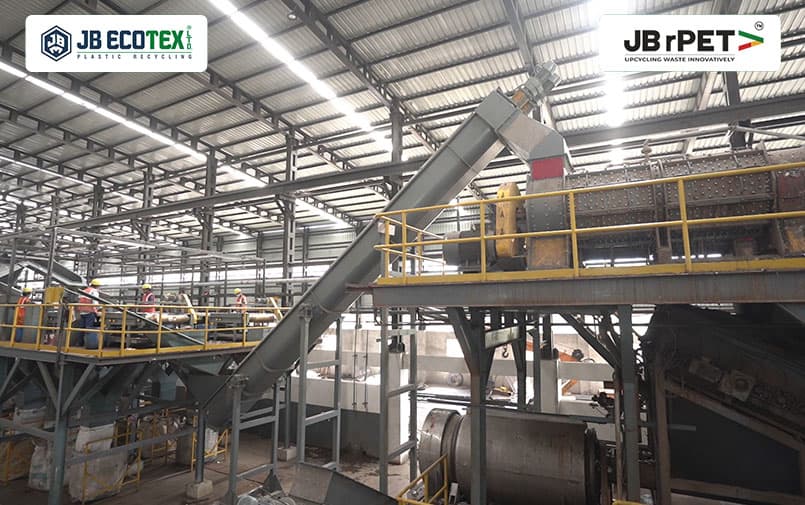
Recyclers are the issuers of EPR credits. When they collect and process eligible plastic waste, they earn credits verified by CPCB. These credits can be sold to PIBOs and brand owners through the official portal, creating an economic reward for verified recycling. This mechanism has encouraged new investments in collection infrastructure and plant upgrades across India.
3. For Resin and rPET Manufacturers
Resin producers, especially those working with rPET, are not direct participants in credit trading but are critical enablers of the system. Their choice of raw material, technology, and traceability practices influences how easily recyclers and brand owners can meet their EPR targets.
By supplying traceable and compliant rPET resins, manufacturers help downstream partners achieve obligations without having to purchase excess credits. This makes resin selection a compliance strategy, not just a production decision.
4. For MSMEs and Small Producers
For smaller packaging manufacturers or brand owners producing below threshold limits, direct registration under CPCB may not always be mandatory. In such cases, working with registered converters or resin suppliers that use EPR-aligned materials can simplify compliance indirectly. This ensures smaller entities remain part of the circular chain without complex reporting requirements.
5. When Alternatives Make More Sense
Not all plastics are currently covered under identical credit frameworks. For example:
- Compostable plastics have separate certification and end-of-life protocols managed by CPCB.
- Multi-layered plastics that are non-recyclable require end-of-life disposal methods, not EPR credits.
In such cases, companies can explore co-processing, pyrolysis, or certified waste-to-energy recovery methods approved under India’s EPR guidelines. The right approach depends on the type of plastic used, production scale, and recyclability of feedstock.
For most packaging materials based on PET and rPET, however, EPR credits remain the most practical, verifiable, and regulator-approved route toward compliance.
Why Resin Manufacturers Are Part of the EPR Credits Story
While EPR regulations primarily focus on producers and brand owners, resin manufacturers form the foundation of compliance. Resins determine whether a product can be easily recycled, separated, and reprocessed.
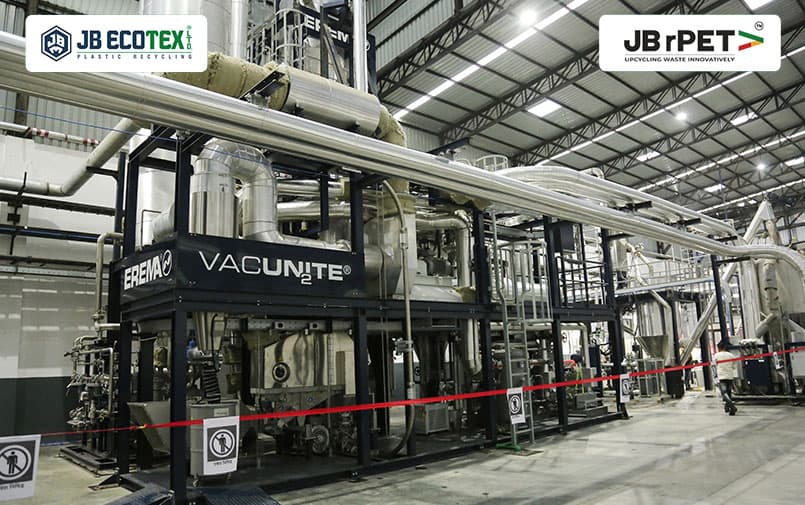
At JB Ecotex, we manufacture rPET resins that enable packaging producers to integrate recycled content safely into new packaging. By doing this, we contribute to a system where recyclers can generate EPR credits more efficiently, and producers can meet their obligations responsibly.
Every batch of recycled resin represents more than production. It reflects accountability, compliance, and circularity.
Learn more about JB Ecotex’s role in building atransparent recycling ecosystem.
How EPR Credits Drive India’s Circular Economy
The credit system is more than a compliance requirement. It is an incentive for all stakeholders to build a sustainable value chain.
- For recyclers, EPR credits add revenue and make recycling financially viable.
- For brand owners, they serve as a verified record of sustainability performance.
- For resin producers, they highlight the demand for materials that can be processed again and again without losing integrity.
India’s shift from linear to circular production depends on systems like this. When recyclers earn credits and manufacturers use compliant recycled resins, the circle closes effectively. That is why EPR credits and rPET resins form the link between regulation and innovation.
How Manufacturers Can Stay Compliant Under the EPR Credit Framework
For many producers, the biggest challenge is understanding what compliance actually looks like. India’s system of EPR credits works only when every stakeholder knows their part in it. The process begins long before waste collection starts and continues throughout the year.
Step 1: Registration on the CPCB Portal
All producers, importers, and brand owners (PIBOs) must register on the CPCB’s EPR Portal for Plastic Packaging. Resin suppliers that wish to be part of the traceable supply chain are also encouraged to align with registered recyclers listed there.
Step 2: Defining EPR Targets
Once registered, entities receive annual obligations that specify how much plastic they must recover or recycle. These targets depend on the category of material used and the amount introduced into the market. For instance, rigid PET packaging has higher recovery expectations because of its recyclability potential.
Step 3: Partnering With Verified Recyclers
Producers can either recycle waste through their own facilities or partner with CPCB-approved recyclers. These recyclers generate EPR credits once they process eligible waste, and those credits can be purchased through the same digital portal.
Step 4: Using Recycled Feedstock
Choosing rPET resins that are traceable and compliant helps producers reduce their need to buy excess credits. Since rPET supports reuse within the same polymer chain, it directly aids compliance with EPR for plastic packaging.
Step 5: Submitting Returns and Verification
Quarterly and annual returns must be filed on the CPCB portal. The documentation includes the number of EPR credits India redeemed, the recyclers engaged, and the quantity of waste recovered.
Step 6: Maintaining Traceability
Traceability is the foundation of EPR in plastic waste management. Manufacturers should maintain proper documentation of waste movement, recycling certificates, and proof of purchase for credits.
Failure to comply can lead to suspension of registration or environmental compensation under CPCB rules. By following this structured path, manufacturers can remain compliant while contributing to India’s circular economy.
The Rise of rPET Resins in the EPR Framework
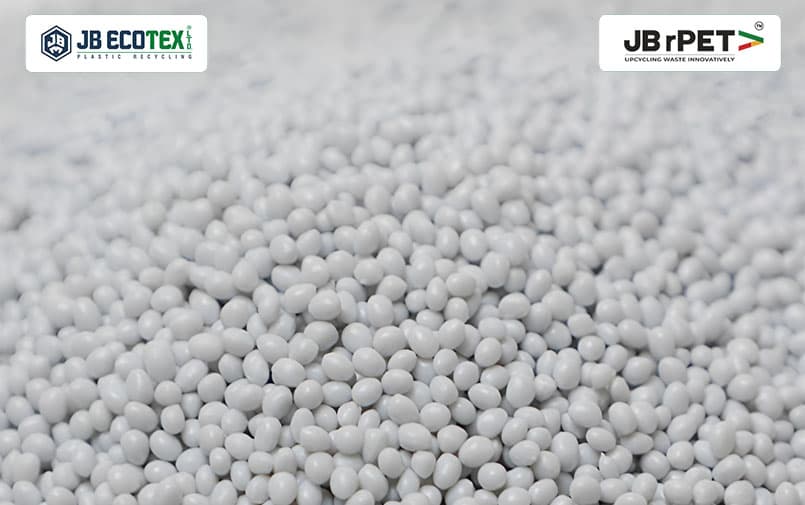
Among the various plastics used in packaging, PET (polyethylene terephthalate) stands out for its recyclability. When collected and processed correctly, it can be turned back into high-quality resins known as rPET.
In 2022, India’s Food Safety and Standards Authority (FSSAI) issued guidelines for the use of recycled PET in food-grade applications, subject to specific safety and process standards. This marked a turning point for the industry.
Manufacturers of food-grade packaging can now source FSSAI-compliant rPET resins to meet both EPR and safety requirements. These resins must come from controlled processes that ensure zero contamination and full traceability.
For converters and packaging producers, this means compliance and innovation can now go hand in hand.
Economic and Environmental Impact of EPR Credits
The CPCB’s EPR credit mechanism creates financial accountability where there was once only waste. Every verified tonne of recycled plastic holds economic value, encouraging participation across the value chain.
According to the MoEFCC’s EPR Guidelines, 2022, PIBOs must gradually increase their recycling percentages each year. By 2025, producers are expected to meet 40 to 60 percent of their plastic recovery obligations, depending on category.
This push has led to greater investment in recycling infrastructure and in the adoption of advanced feedstock such as mechanically and chemically recycled PET resins.
For resin manufacturers, this is both an opportunity and a responsibility to design resins that can sustain multiple lifecycles without compromising safety or compliance.
How EPR for Plastic Aligns With Global Standards
EPR is not unique to India. Similar frameworks exist in the European Union, Japan, and South Korea. What makes India’s approach distinct is its integration with a digital monitoring system and the active involvement of recyclers.
The CPCB’s online EPR Portal for Plastic Packaging is among the few globally that publicly track recycling obligations and credit transactions. This transparency builds trust across industries and among consumers who want to know how the materials they use are managed after disposal.
For global brands manufacturing in India, the alignment of EPR for plastic with international traceability standards simplifies compliance and ensures smoother export-market approvals.
Why Food-Grade rPET Is the Material of the Future
Across industries, food and beverage companies are increasingly switching to food-grade rPET for packaging. The reason is both regulatory and reputational.
The FSSAI and Bureau of Indian Standards (BIS) have introduced detailed process requirements for recycled materials in contact with food. By sourcing food-grade rPET resin, packaging manufacturers can maintain product safety while contributing to EPR compliance.
At JB Ecotex, we view this shift as a step toward responsible material design where every resin pellet supports both circular economy goals and national food safety standards.
Discover our food-grade rPET resins designed forEPR-aligned manufacturing
Consumer Expectations Are Changing With EPR Credits
EPR credits may seem technical, but their influence reaches store shelves. As consumers grow aware of recycling systems, they begin to expect traceability from brands.
When a manufacturer uses recycled resins sourced from registered and certified networks, it shows up in how brands communicate transparency and care for the environment. This trust builds long-term loyalty and demonstrates that sustainability is now embedded within the material itself.
The Future of EPR Credits in India
India’s recycling landscape is still evolving, but the direction is clear. More recyclers are coming online under CPCB’s verified list, and brand owners are steadily increasing their obligations each financial year.
For resin manufacturers, this means working even more closely with recyclers and converters to ensure that the materials they create can flow smoothly through multiple lifecycles.
As the government strengthens monitoring through the CPCB and State Pollution Control Boards, EPR credits will continue to drive a transparent and traceable waste management system that rewards responsibility over volume.
Turning Policy Into Practice
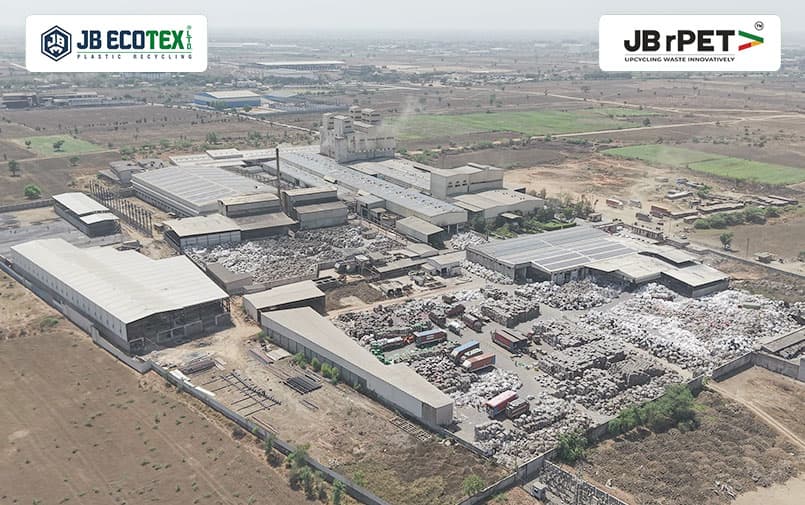
The strength of India’s EPR model lies in collaboration. Each stakeholder, from the resin producer to the recycler, has a defined role in creating a circular economy that balances growth with sustainability. At JB Ecotex, we see EPR credits as more than a compliance mechanism. They represent a collective movement toward smarter production and accountable recovery.
Every rPET resin that re-enters the system stands for more than a recycled material. It stands for a future where manufacturing, recycling, and responsibility move together.
Frequently Asked Questions About EPR Credits in India
1. What
are EPR credits in India?
EPR credits are verified certificates showing that a specific quantity
of plastic waste has been collected and recycled under the Central
Pollution Control Board’s (CPCB) supervision.
2. Who is required to
purchase EPR credits?
Producers, importers, and brand owners registered under the CPCB EPR
portal must purchase credits to meet their annual plastic waste recycling
obligations.
3. Can resin manufacturers
participate in EPR credit trading?
Resin manufacturers cannot trade credits directly, but their use of
traceable rPET resins helps downstream brands and converters meet EPR
obligations.
4. Are EPR credits and
carbon credits the same?
No. EPR credits apply to waste management and recycling obligations,
while carbon credits focus on emissions reduction. They operate under
different environmental frameworks.
5. Where
can verified EPR credit transactions be viewed?
All verified recyclers, PIBOs, and registered entities are listed on
the CPCB’s EPR Portal for Plastic Packaging.