
Polyester Staple Fiber Manufacturer for Non Woven Fabric Industry
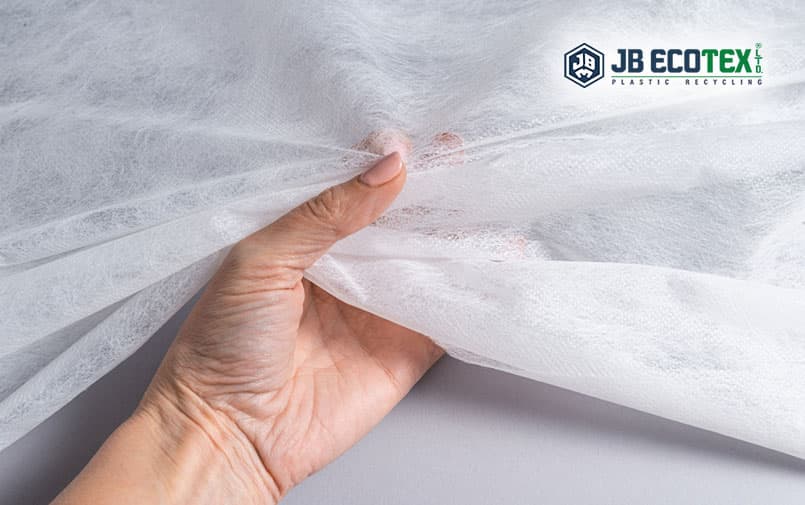
Polyester staple fiber is one of the most widely used raw materials in the global textile and non-woven industries. From geotextiles and filtration materials to automotive insulation and hygiene products, polyester fibers play a critical role in manufacturing modern non-woven fabrics.
For companies involved in producing non-woven materials, selecting the right polyester staple fiber manufacturer is essential. The quality of the fiber directly impacts the strength, bonding characteristics, durability, and performance of the final non-woven product.
Today, many non woven fabric manufacturers prefer working with recycled polyester suppliers. Recycled polyester staple fiber offers consistent quality while reducing dependence on virgin petrochemical resources. As sustainability becomes increasingly important across industries, recycled polyester is rapidly becoming the preferred raw material for non-woven fabric production.
This guide explains how polyester staple fibers are manufactured, why they are widely used in non-woven applications, and what non woven manufacturers should consider when selecting a polyester staple fiber supplier.
What is Polyester Staple Fiber
Polyester staple fiber is a synthetic fiber made from polyethylene terephthalate, commonly referred to as PET. Unlike continuous filament fibers, staple fibers are produced in short lengths and processed into yarns, fabrics, or non-woven materials.
The fiber is produced through a melt spinning process in which PET polymer is melted and extruded through spinnerets to form filaments. These filaments are then cooled, crimped, and cut into short lengths to create staple fibers.
Polyester staple fiber can be produced from two main sources:
Virgin polyester polymer
Recycled PET materials such as post-consumer plastic bottles
Recycled polyester staple fiber has become increasingly popular due to its environmental benefits and its ability to deliver similar performance characteristics to virgin polyester.
In the non-woven industry, polyester staple fibers are widely used because they provide excellent mechanical strength, chemical resistance, dimensional stability, and durability.
Polyester Fibre as the Raw Material of Non Woven Fabric
One of the most important raw materials used in the production of non-woven fabrics is polyester fibre. Non-woven fabrics are produced by bonding fibers together using mechanical, thermal, or chemical processes rather than weaving or knitting yarns.
The structure of polyester staple fiber
makes it particularly suitable for non-woven production.
The crimp and length
of the fiber allow the fibers to interlock and form strong bonded structures.
Non woven fabric manufacturers rely on polyester fiber because it offers several advantages:
High tensile strength
Excellent resilience and recovery
Good thermal bonding characteristics
Resistance to moisture and chemicals
Long-term durability
Because of these properties, polyester fibre is used in many types of non-woven products such as:
Filtration media
Geotextiles
Automotive insulation
Medical textiles
Furniture padding
Industrial wipes
As a result, polyester fiber suppliers play a critical role in the non-woven manufacturing supply chain.
Polyester fibre is widely considered the raw material of non woven fabric, as it provides the strength, durability, and bonding performance required in modern non-woven manufacturing processes.
Why Recycled Polyester is Widely Used in Non Woven Manufacturing
In recent years, recycled polyester has become one of the most important materials used by non woven fabric manufacturers. Instead of relying entirely on virgin polymer production, recycled polyester is produced using post-consumer PET bottles and other PET waste streams.
The recycling process converts plastic waste into high-quality polyester fibers that can be used in a wide range of industrial applications.
The advantages of recycled polyester include:
Reduced environmental impact
Lower carbon footprint
Conservation of natural resources
Reduced landfill waste
Many industries are now actively shifting toward recycled polyester materials in order to meet sustainability goals and regulatory requirements.
A recycled polyester manufacturer typically converts PET bottle flakes into polyester chips and then produces recycled polyester staple fiber through melt spinning. The resulting fiber provides strong performance characteristics suitable for non-woven manufacturing processes.
How Polyester Staple Fiber is Used in Non Woven Fabric Manufacturing
Non-woven fabrics are produced by forming a web of fibers and bonding them together. Polyester staple fiber plays a key role in this process because it forms the structural base of the material.
The general non-woven production process involves several stages.
First, polyester staple fibers are opened and blended to create a consistent fiber mixture.
Next, the fibers are laid into a web structure using specialized equipment. Depending on the manufacturing method, the fibers may be arranged randomly or in a directional orientation.
Once the fiber web is formed, the fibers are bonded together using one of several methods:
Thermal bonding
Needle punching
Chemical bonding
Hydroentanglement
During thermal bonding, fibers are heated so that their surfaces partially melt and bond together. This is one of the most common techniques used when working with polyester staple fibers.
In needle punching, mechanical needles repeatedly penetrate the fiber web to entangle the fibers and create a strong bonded structure.
The resulting non-woven fabric can then be processed further depending on the final application.
Many industries rely on non woven polyester materials because they combine durability with lightweight structure, making them suitable for filtration, insulation, and geotextile applications.
Types of Polyester Fiber Used in Non Woven Industry
Different types of polyester fibers are used depending on the requirements of the non-woven product.
Recycled Polyester Staple Fiber
Recycled polyester staple fiber is produced from recycled PET materials and is widely used in industrial non-woven applications.
It offers a balance of performance, cost efficiency, and environmental sustainability.
Common uses include:
Geotextiles
Automotive insulation
Carpet backing
Furniture padding
Construction materials
PET Fiber
PET fiber refers to fibers produced from polyethylene terephthalate polymer. PET fibers are known for their strength, resistance to chemicals, and dimensional stability.
Many non woven fabric manufacturers rely on PET fiber for filtration, insulation, and reinforcement applications.
Low Melt Polyester Fiber
Low melt polyester fibers are used in thermal bonding processes. These fibers have a lower melting point outer layer which allows them to bond easily with other fibers when heat is applied.
This makes them particularly useful for manufacturing bonded non-woven fabrics.
Applications of Non Woven Polyester Materials
Non woven polyester materials are used across many industries because of their versatility and performance characteristics.
Geotextiles
Polyester non-woven fabrics are widely used in geotextile applications such as soil stabilization, drainage systems, and road construction.
These materials help improve soil strength and prevent erosion.
Automotive Industry
The automotive industry uses non-woven polyester materials for interior insulation, carpet backing, acoustic control, and filtration components.
Polyester fibers provide durability and lightweight performance.
Filtration
Polyester non-woven fabrics are commonly used in air and liquid filtration systems.
They provide excellent particle capture while maintaining airflow and permeability.
Furniture and Bedding
Polyester fiberfill and non-woven padding materials are used in furniture cushions, mattresses, and upholstery.
The fibers provide comfort and structural support.
Industrial Applications
Many industrial sectors use non-woven polyester materials for wipes, protective clothing, and packaging materials.
The growing applications of non woven polyester materials across industries such as automotive, construction, and filtration continue to drive global demand for polyester staple fibers.
Factors Non Woven Fabric Manufacturers Consider When Selecting a Polyester Staple Fiber Supplier
Choosing the right polyester staple fiber manufacturer is critical for maintaining consistent non-woven fabric quality.
Non woven manufacturers typically evaluate several factors when selecting a supplier.
Fiber Consistency
Uniform fiber length and denier are essential for maintaining consistent non-woven production.
Crimp and Bonding Performance
Proper crimp helps fibers interlock during web formation and improves bonding strength.
Purity of Raw Materials
High-quality recycled PET inputs ensure stable fiber performance.
Sustainable Manufacturing Practices
Many companies prefer suppliers that produce recycled polyester materials with environmentally responsible processes.
Role of Recycled Polyester Manufacturers in the Circular Economy
The growth of recycled polyester manufacturing plays an important role in creating a circular economy for plastic materials.
By converting PET waste into usable fibers, recycled polyester manufacturers help reduce the amount of plastic that enters landfills and oceans.
Recycled polyester staple fiber production also reduces energy consumption compared to virgin polyester production.
For industries that depend on large volumes of synthetic fibers, this recycling ecosystem helps maintain material availability while improving sustainability.
Choosing the Right Polyester Staple Fiber Manufacturer
When selecting a polyester staple fiber manufacturer for non-woven production, manufacturers should evaluate both technical capabilities and supply reliability.
Key considerations include:
Manufacturing capacity
Fiber quality control systems
Consistency of recycled raw materials
Technical expertise in fiber production
Ability to meet industry specifications
A reliable supplier can help ensure that non-woven production runs smoothly and that the final products meet required performance standards.
Recycled Polyester Staple Fiber for Non Woven Manufacturers
JB Ecotex is a trusted polyester staple fiber manufacturer supplying high-quality recycled polyester fibres for non woven fabric manufacturers across multiple industries.
Our recycled polyester staple fibers are produced from carefully processed PET bottle flakes to ensure consistent fibre quality, reliable bonding performance, and durability for non woven manufacturing.
Non woven fabric manufacturers rely on our fibers for applications such as geotextiles, automotive insulation, filtration media, and industrial textiles.
- Consistent recycled polyester staple fiber quality
- Reliable supply for large-scale non woven production
- Sustainable PET bottle recycling process
- Technical support for non woven applications
Polyester Staple Fiber for the Future of Non-Woven Manufacturing
As global industries continue to expand their use of non-woven materials, the demand for polyester staple fibers will continue to grow.
Recycled polyester fibers are expected to play an even larger role in this growth as companies focus on reducing environmental impact and improving sustainability.
Non woven fabric manufacturers will increasingly rely on high-quality polyester fiber suppliers who can deliver consistent performance, sustainable sourcing, and reliable production capacity.
Polyester staple fiber remains one of the most important materials enabling innovation in the non-woven industry.
FAQs: Polyester Staple Fiber for Non Woven Manufacturing
What is the raw material of non woven fabric?
The raw material of non woven fabric is typically synthetic or natural fibers that are bonded together to form a fabric structure. The most commonly used raw material is polyester fibre, especially recycled polyester staple fiber, because it offers durability, strength, and excellent bonding properties for non-woven manufacturing.
What is polyester staple fiber?
Polyester staple fiber is a short-length synthetic fiber produced from polyethylene terephthalate (PET). The fibers are created through a melt spinning process and then cut into staple lengths. Polyester staple fibers are widely used in textiles, non-woven fabrics, insulation materials, and filtration products.
Why is polyester fibre used in non woven fabrics?
Polyester fibre is widely used in non woven fabrics because it provides high tensile strength, durability, chemical resistance, and good thermal bonding properties. These characteristics make polyester an ideal material for manufacturing geotextiles, filtration media, automotive insulation, and industrial non-woven fabrics.
What is recycled polyester staple fiber?
Recycled polyester staple fiber is produced by recycling PET plastic materials such as used plastic bottles. The PET is cleaned, processed, and converted into polyester fibers through melt spinning. This process reduces plastic waste while producing high-quality polyester fibers suitable for non-woven manufacturing.
What industries use non woven polyester materials?
Non woven polyester materials are used across many industries including construction, automotive, filtration, furniture, hygiene products, and packaging. Applications include geotextiles, automotive insulation, air filters, mattress padding, industrial wipes, and protective textiles.
What are the advantages of recycled polyester for non woven manufacturing?
Recycled polyester offers several advantages for non woven manufacturing including lower environmental impact, reduced reliance on virgin petrochemicals, and effective recycling of PET plastic waste. It also provides reliable mechanical strength, making it suitable for industrial non-woven fabric applications.
What types of polyester fibers are used in non woven production?
Non woven manufacturers commonly use recycled polyester staple fiber, PET fiber, and low melt polyester staple fiber. These fibers help form strong fiber webs that can be bonded through thermal, mechanical, or chemical processes to produce durable non-woven fabrics.
How do non woven fabric manufacturers use polyester staple fiber?
Non woven fabric manufacturers use polyester staple fiber by forming a fiber web through processes such as carding or air laying. The fibers are then bonded together using needle punching, thermal bonding, or chemical bonding to produce non-woven fabrics used in various industrial applications.