
rPET Food Packaging and rPET Resin: The Future of Sustainable Packaging
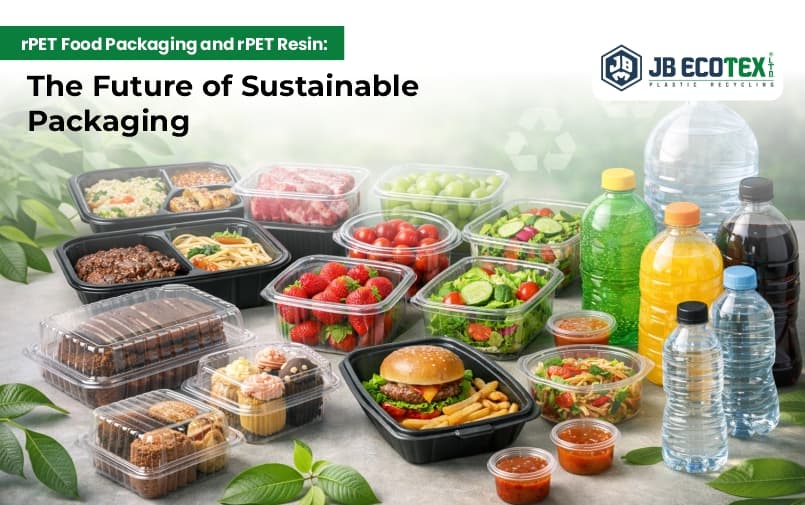
Plastic packaging is everywhere. From bottled water and ready-to-eat meals to fresh fruit trays and takeaway containers, plastic helps preserve food, extend shelf life, and keep products safe during transportation.
Yet the environmental cost of traditional plastic has pushed industries to rethink packaging materials.
This shift has led to developments in packaging sustainability: rPET food packaging and rPET resin.
Across the world, companies are transitioning to recycled PET materials to reduce reliance on virgin plastic, lower carbon footprints, and meet strict sustainability commitments. Governments are introducing regulations, brands are setting recycling targets, and consumers are actively choosing products with environmentally responsible packaging.
At the center of this transition is recycled polyethylene terephthalate, commonly known as rPET.
Unlike many plastics that degrade in quality when recycled, PET can be recycled multiple times while retaining its strength, transparency, and food-safe properties. This makes it a valuable material in the circular plastic economy.
Today, rPET food packaging is used for:
- Food trays
- Fruit and vegetable containers
- Bakery packaging
- Bottles for beverages and sauces
- Thermoformed takeaway containers
And the demand for rPET is growing as industries move toward sustainable packaging solutions.
Understanding rPET Food Packaging
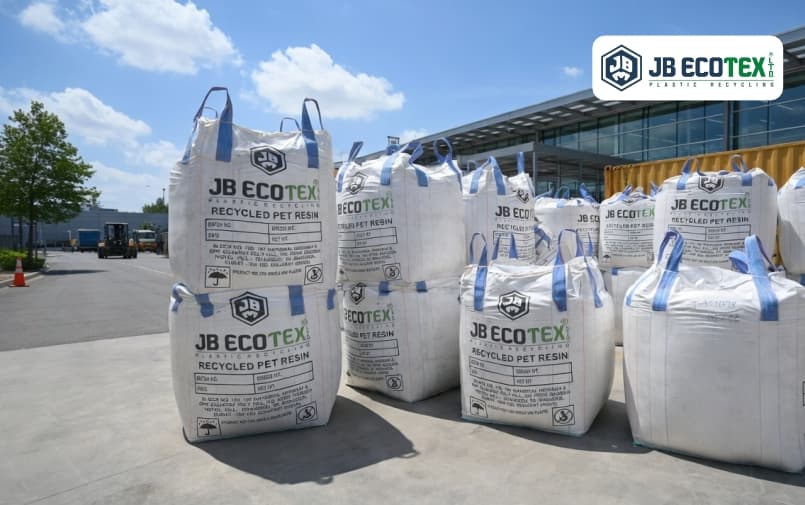
rPET stands for recycled polyethylene terephthalate. It is produced by recycling used PET plastic, primarily bottles and packaging materials, and converting them into new resin that can be used again for manufacturing.
rPET food packaging refers specifically to packaging products made from recycled PET that meet food safety standards.
The process typically begins with the collection of PET waste such as water bottles and beverage containers. These materials are cleaned, sorted, processed into flakes, and then converted into rPET resin that can be used to manufacture new packaging products.
Because PET has barrier properties and durability, it is widely used in food packaging. When recycled properly and processed through approved recycling technologies, rPET can safely be used for direct food contact applications.
Key characteristics of rPET packaging include:
- Clarity and transparency
- Barrier properties
- Lightweight structure
- Durability and strength
- Recyclability
These properties situate rPET as a replacement for virgin plastic in food packaging applications.
How rPET Resin Powers Modern Packaging
The core material behind most recycled PET packaging products is rPET resin.
After used PET products are collected and cleaned, they are processed into flakes and then converted into resin through advanced recycling technologies. This resin is then used by manufacturers to create a wide range of packaging products.
rPET resin is used in processes such as:
- Bottle manufacturing
- Thermoforming for food trays
- Sheet extrusion for packaging films
- Injection molding for containers
High-quality recycled resin can achieve properties similar to virgin PET when processed using advanced recycling systems.
The availability of reliable rPET resin has played a major role in scaling sustainable packaging solutions across industries such as food and beverages, pharmaceuticals, cosmetics, and retail.
The Global Growth of rPET Packaging
The global packaging industry is undergoing a major transformation as sustainability becomes a priority.
Governments across Europe, North America, and Asia have introduced regulations that require companies to incorporate recycled plastic into their packaging.
For example:
- The European Union has mandated recycled content in plastic bottles.
- Many global brands have committed to using 25 to 50 percent recycled plastic by 2030.
- Countries are introducing extended producer responsibility policies that encourage recycling infrastructure.
These changes have increased the demand for rPET food packaging and high-quality recycled materials.
Today, rPET packaging is widely used by:
- Global beverage brands
- Food packaging companies
- Retail supermarkets
- Ready-to-eat meal manufacturers
- Quick service restaurants
The Role of PET Plastic Bottle Manufacturers in Recycling
A large portion of the raw material used to produce rPET comes from post-consumer PET bottles.
This makes PET plastic bottle manufacturers a critical part of the recycling ecosystem.
Beverage bottles made from PET are collected and recycled plastic products in the world. Once collected through recycling programs, these bottles are processed and converted into PET granules or recycled resin.
These materials then become the feedstock for manufacturing new packaging products, including trays, containers, and even new bottles.
PET plastic bottle manufacturers are now designing bottles with recycling in mind by:
- Reducing the use of colorants
- Avoiding difficult-to-remove labels
- Simplifying packaging structures
This design approach improves recycling efficiency and increases the availability of high-quality recycled materials for packaging applications.
From Waste to Resource: The rPET Recycling Process
Turning used plastic bottles into packaging materials requires several processing stages.
The typical recycling process involves:
Collection and Sorting
Post-consumer PET waste is collected from recycling programs, waste management systems, and industrial sources.
Materials are sorted to separate PET from other plastics and contaminants.
Cleaning and Processing
The PET waste is washed thoroughly to remove labels, adhesives, and food residues.
The clean plastic is then shredded into flakes.
Conversion to rPET Chips
These flakes are further processed into rPET chips, which serve as the raw material for manufacturing new plastic products.
Resin Production
The rPET chips are processed through advanced recycling technologies to produce rPET resin, which can then be used for packaging manufacturing.
This circular process allows PET plastic to be reused multiple times instead of ending up in landfills or oceans.
Thermoform Recycling and Its Role in Food Packaging
One of the applications of recycled PET is thermoformed food packaging.
Thermoforming is a manufacturing process where heated plastic sheets are molded into shapes such as trays, containers, and clamshell packaging.
Many of these packaging products are made from rPET sheets.
The challenge with thermoformed packaging historically has been recycling efficiency. Unlike bottles, thermoformed packaging often enters different waste streams.
However, advances in thermoform recycling technologies are helping address this challenge.
Improved sorting systems and recycling technologies now allow thermoformed PET packaging to be processed and reused as feedstock for new packaging materials.
This is a critical step toward achieving a truly circular plastic economy.
Applications of rPET Food Packaging
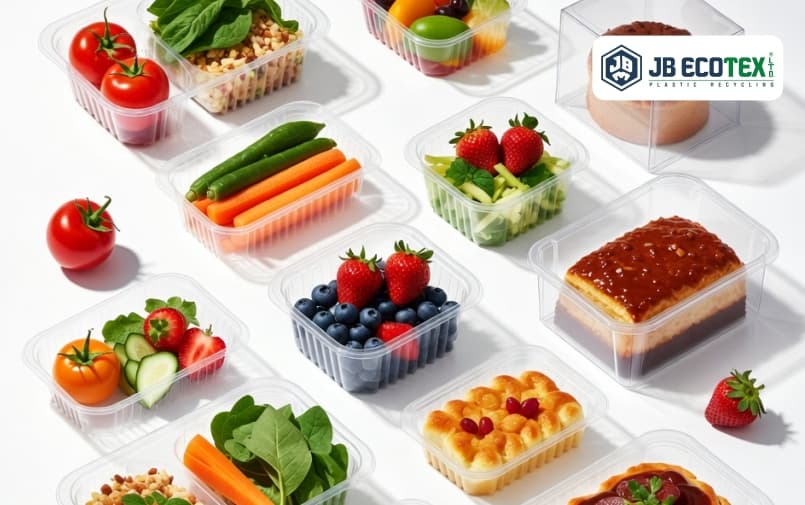
The versatility of rPET allows it to be used across a wide range of food packaging applications.
Common products made from recycled PET include:
Food trays
Used for ready meals, meat packaging, and prepared foods.
Fruit and vegetable containers
Transparent containers help display fresh produce while protecting it during transport.
Bakery packaging
Clear containers for cakes, pastries, and desserts.
Takeaway containers
Durable thermoformed packaging used by restaurants and food delivery services.
Bottles and beverage containers
Many beverage brands now use bottles made with recycled PET content.
These applications demonstrate how rPET food packaging is becoming a mainstream material across the food industry.
rPET Packaging vs Virgin Plastic Packaging
The key advantage of rPET packaging lies in its environmental impact.
Compared to virgin PET production, recycled PET requires significantly less energy and raw material extraction.
Benefits include:
Lower carbon emissions
Reduced dependence on fossil fuels
Reduced landfill waste
Support for recycling economies
Improved sustainability credentials for brands
Because PET retains its structural integrity during recycling, it remains one of the most effective materials for closed-loop packaging systems.
rPET Packaging in the Global Sustainability Movement
Many multinational brands have announced ambitious sustainability commitments.
Major beverage companies have pledged to increase the use of recycled plastic in their packaging, and retailers are demanding environmentally responsible packaging materials from suppliers.
This shift has accelerated demand for rPET packaging across industries.
Brands now recognize that sustainable packaging is not just an environmental responsibility but also a competitive advantage.
Consumers increasingly prefer products packaged using recycled materials, particularly in food and beverage sectors.
As a result, the adoption of recycled plastic packaging is expanding across multiple industries.
rPET and the Circular Economy
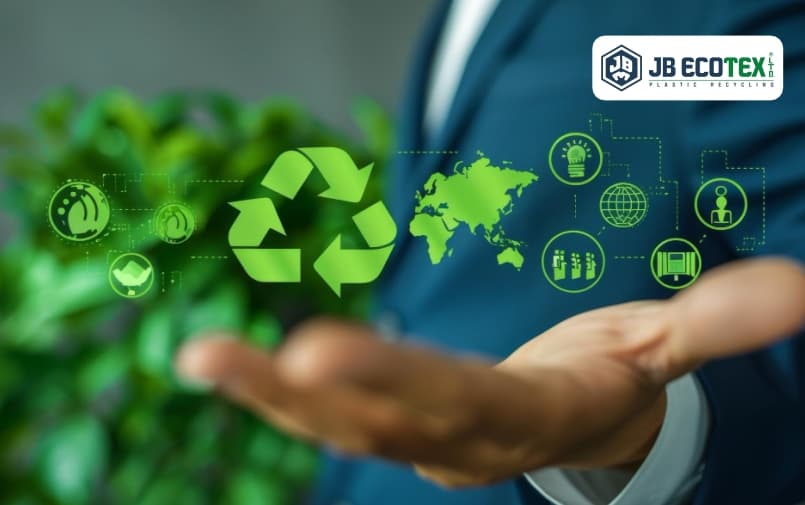
The concept of a circular economy focuses on keeping materials in use for as long as possible.
Instead of producing new plastic for every packaging cycle, the circular economy encourages recycling materials into new products repeatedly.
PET is particularly well suited for this system because it can be recycled multiple times without losing its core properties.
Recycling PET bottles into packaging products creates a continuous material loop.
This reduces the environmental footprint of packaging while ensuring consistent material supply for manufacturers.
By converting waste plastic into PET granules and recycled resin, the packaging industry can significantly reduce the need for virgin plastic production.
The Emerging Role of Recycled Plastic Wrap and Flexible Packaging
While rigid packaging such as bottles and trays dominates PET recycling today, flexible packaging is also evolving.
Innovations in recycling technologies are enabling the recovery and reuse of materials used in recycled plastic wrap and other flexible packaging formats.
Although flexible plastics are traditionally harder to recycle than rigid plastics, new technologies are improving the ability to process these materials.
The future of sustainable packaging will likely include expanded recycling systems that support both rigid and flexible plastic materials.
Why Brands Are Choosing rPET Packaging
There are several reasons why companies across industries are adopting recycled PET packaging.
First, sustainability goals are becoming a core part of corporate strategies.
Second, governments are introducing stricter regulations on plastic waste and recycling targets.
Third, consumers are increasingly aware of environmental issues and prefer environmentally responsible products.
Using recycled plastic packaging helps brands demonstrate commitment to sustainability while maintaining packaging performance.
Additionally, advancements in recycling technologies have improved the quality of recycled materials, making them suitable for demanding applications such as food packaging.
Sustainable Packaging Solutions for the Future
The future of packaging lies in materials that combine functionality, safety, and environmental responsibility.
Sustainable packaging solutions are now a priority across the global supply chain.
Companies are investing in recycling infrastructure, developing innovative materials, and redesigning packaging systems to support circular material flows.
Recycled PET is expected to remain an important material in this transition because it offers both recyclability and performance.
As recycling technologies continue to evolve, the availability of high-quality rPET resin will increase, enabling wider adoption of sustainable packaging materials.
Challenges in Scaling rPET Packaging
Despite its advantages, the adoption of rPET packaging faces several challenges.
One major challenge is the availability of high-quality recycling feedstock.
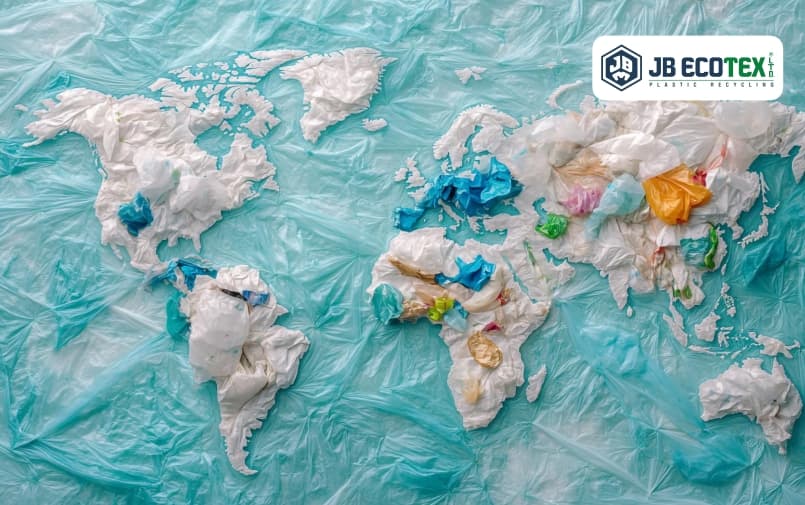
Although PET bottles are widely recycled, the global supply of recyclable material is still lower than the rapidly increasing demand for recycled plastic.
Another challenge involves improving recycling systems for thermoformed packaging and flexible plastics.
Continued investments in recycling infrastructure and sorting technologies are essential to ensure a stable supply of recycled materials.
Industry collaboration among recyclers, packaging manufacturers, and brand owners will play a key role in overcoming these challenges.
The Future of rPET Food Packaging
The global packaging industry is moving steadily toward circular material systems.
As sustainability regulations strengthen and consumer expectations continue to evolve, the demand for rPET food packaging is expected to grow.
Advances in recycling technology, improved waste collection systems, and innovative material processing techniques will continue to expand the possibilities of recycled PET.
With continued technological progress and industry collaboration, recycled PET will play a critical role in the future of sustainable packaging.
Conclusion
Plastic packaging is unlikely to disappear from the food industry anytime soon. It remains an efficient material for preserving food quality, ensuring product safety, and reducing food waste.
However, the focus is shifting from eliminating plastic to making it circular.
This is where rPET food packaging and rPET resin play a transformative role.
By converting used plastic into new packaging materials, the industry can significantly reduce environmental impact while maintaining the performance advantages of plastic packaging.
From beverage bottles to food trays and takeaway containers, recycled PET is already proving that sustainable packaging solutions are achievable at scale.
As recycling technologies advance and global sustainability commitments strengthen, rPET packaging will continue to drive the transition toward a circular plastic economy.
rPET Resin for Food Packaging Applications
The growth of rPET food packaging depends on the availability of high-quality recycled materials that manufacturers can rely on for consistent production.
Companies producing food trays, containers, bottles, and thermoformed packaging often work with rPET resin, PET granules, and rPET chips as the core raw material for their packaging systems.
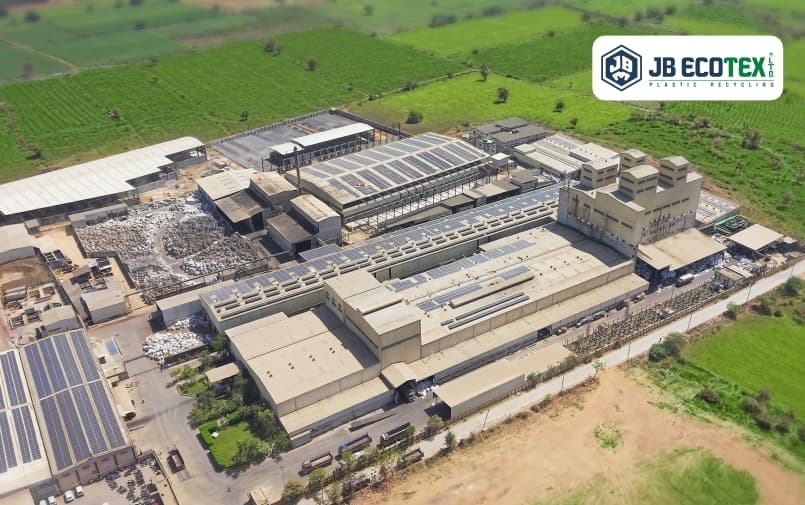
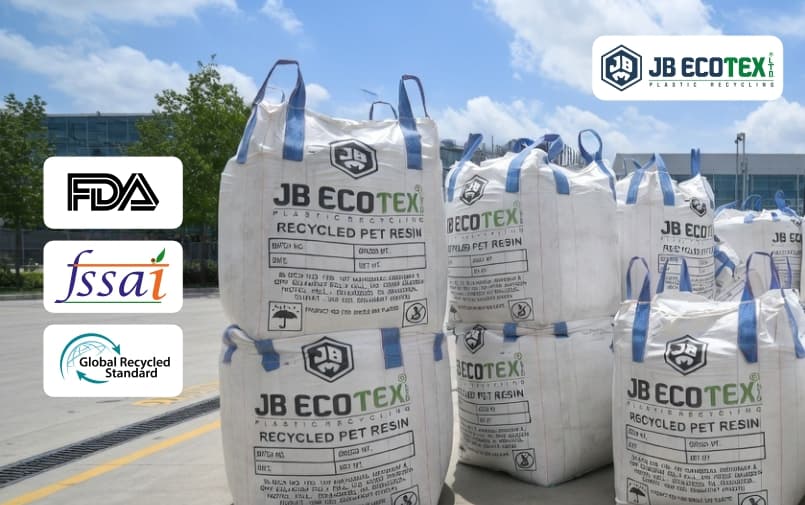
JB Ecotex produces recycled PET resin used in packaging, thermoforming, sheet extrusion, and bottle manufacturing applications. These materials support companies transitioning toward recycled plastic packaging and more sustainable packaging solutions.
As the packaging industry continues moving toward circular material systems, access to consistent rPET resin and recycled PET feedstock will play an important role in scaling sustainable packaging across industries.
Frequently Asked Questions About rPET Food Packaging and rPET Resin
What is rPET food packaging?
rPET food packaging refers to packaging made from recycled polyethylene terephthalate that meets food safety standards. Used PET bottles and containers are collected, cleaned, processed into rPET chips and converted into rPET resin. This resin is then used to manufacture trays, containers, and other food packaging products.
What is rPET resin used for?
rPET resin is used to manufacture a wide range of plastic products including food trays, beverage bottles, thermoformed containers, and other recycled plastic packaging. It is produced by recycling PET waste and converting it into high-quality resin suitable for industrial manufacturing.
Is rPET safe for food packaging?
Yes. rPET can be used safely for food packaging when it is produced using approved recycling processes and meets regulatory standards for food contact materials. Many food and beverage brands use rPET food packaging to reduce environmental impact while maintaining product safety.
How is PET recycled into rPET chips?
PET recycling begins with the collection and sorting of used PET products. These materials are washed, shredded into flakes, and processed into rPET chips. The rPET chips are then melted and converted into rPET resin, which is used to manufacture new plastic packaging products.
What are PET granules used for?
PET granules are small resin pellets used as raw material for manufacturing plastic products. These granules can be virgin PET or recycled PET and are commonly used in bottle manufacturing, packaging production, and thermoforming applications.
What is thermoform recycling?
Thermoform recycling refers to the process of collecting and recycling thermoformed PET packaging such as trays and clamshell containers. The recycled material is processed and reused to produce new rPET sheets and packaging materials.
What is rPET packaging?
rPET packaging refers to packaging products manufactured from recycled polyethylene terephthalate material. It is widely used in food packaging, beverage containers, and retail packaging because it is recyclable, lightweight, and durable.
Why is recycled plastic packaging important?
Recycled plastic packaging reduces the need for virgin plastic production, lowers carbon emissions, and supports circular material systems. It helps keep plastic waste out of landfills and oceans while conserving natural resources.
What industries use rPET packaging?
Industries that commonly use rPET packaging include:
Food and beverage
Retail packaging
Pharmaceutical packaging
Cosmetics packaging
Ready-to-eat food packaging
These industries rely on recycled plastic packaging to meet sustainability targets.
How does rPET support sustainable packaging solutions?
rPET supports sustainable packaging solutions by enabling plastic materials to be reused multiple times. Recycling PET reduces energy consumption, decreases waste generation, and creates a circular system where plastic remains in use instead of being discarded.