
Low-Denier vs High-Denier Recycled Polyester Staple Fiber: Which One Is Right for Industrial Applications?
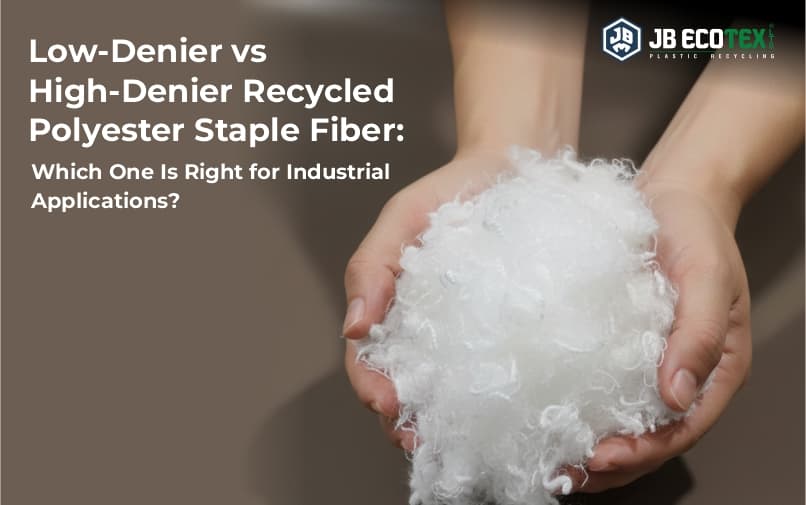
Across many industrial sectors today, recycled polyester staple fiber is becoming a preferred raw material. From automotive interiors and nonwoven fabrics to geotextiles and insulation materials, manufacturers are actively shifting toward recycled polyester inputs to meet sustainability goals while maintaining performance.
But within this category, buyers often face a technical question before procurement:
Should the fibre application use low-denier RPSF fiber or high-denier recycled polyester fiber?
The answer depends on several factors including fabric structure, processing methods, product durability requirements, and end-use performance expectations.
Understanding these differences is important for product developers, procurement teams, and manufacturers sourcing fiber from recycled polyester staple fiber suppliers.
Understanding Recycled Polyester Staple Fiber
Recycled polyester staple fiber is produced by recycling PET materials such as post-consumer bottles and converting them into short fibers that can be processed into yarns, nonwovens, and technical textiles.
The recycling process typically includes:
1. PET bottle collection and sorting
2. Cleaning and flake production
3. Melt extrusion into filament
4. Cutting into staple fiber lengths
The resulting fibers can be engineered to meet different RPSF fiber specifications depending on the intended application.
Manufacturers sourcing fiber from reliable recycled polyester staple fiber manufacturers evaluate several technical parameters such as:
- Fiber denier
- Cut length
- Tenacity
- Elongation
- Crimp structure
- Finish and bonding compatibility
Among these characteristics, denier is one of the most influential factors in determining fiber performance.
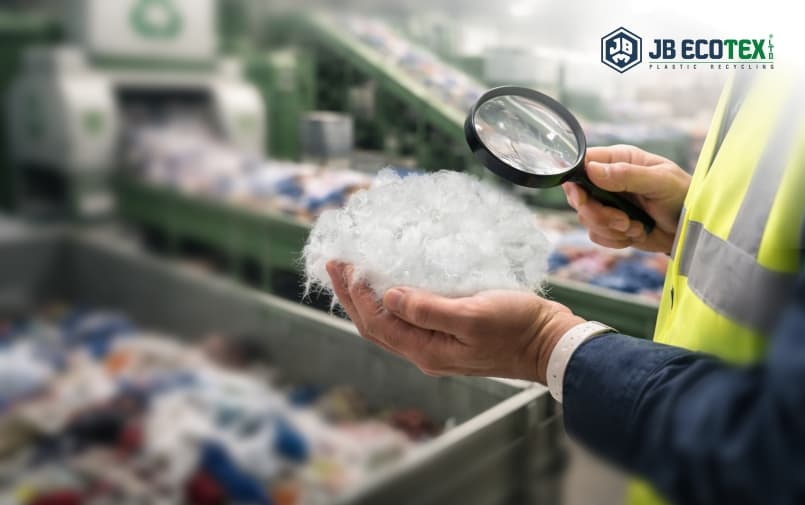
Key RPSF Fiber Specifications Buyers Should Evaluate Before Procurement
When sourcing materials from recycled polyester staple fiber suppliers, buyers typically evaluate detailed technical specifications to ensure the fiber will perform well during processing and in the final product.
The most important RPSF fiber specifications include:
Fiber Denier
Denier determines the thickness of the fiber.
Lower denier fibers are finer and softer, while higher denier fibers offer
greater strength and durability for industrial products.
Cut Length
Cut length refers to the length of each staple fiber
segment.
Typical ranges include 32 mm, 38 mm, 51 mm, and 64 mm, depending on the
spinning or nonwoven process.
Crimp Structure
Crimp refers to the wave pattern in the fiber.
Higher crimp improves fiber cohesion during spinning and increases bulk in nonwoven structures.
Tenacity
Tenacity measures fiber strength.
Industrial applications such as automotive interiors or geotextiles often
require fibers with higher tenacity to withstand mechanical stress.
Elongation
Elongation indicates how much the fiber can stretch before breaking. Balanced elongation improves durability and processing stability.
When manufacturers work with experienced recycled polyester staple fiber manufacturers, these parameters are carefully controlled to ensure consistent industrial performance.
What Does Denier Mean in Polyester Fiber?
Denier refers to the linear mass density of fiber, or simply the thickness of an individual filament.
In practical terms:
- Lower denier fibers are finer and softer
- Higher denier fibers are thicker and stronger
This difference affects how fibers behave during processing and how the final product performs.
For industrial materials, denier directly influences:
- fabric density
- strength and durability
- texture and softness
- filtration efficiency
- bonding performance in nonwovens
Because of these variations, industrial buyers carefully compare low denier RPSF fiber and high denier recycled polyester fiber before finalizing procurement from a polyester staple fiber factory.
Why Denier Is Important in Industrial Polyester Staple Fiber
Denier is one of the most important technical parameters in RPSF fiber specifications because it influences both processing behavior and product performance.
For manufacturers working with industrial polyester staple fiber, the choice of denier can affect several critical factors.
Fabric Density
Lower denier fibers allow more fibers to be packed into a structure, creating smoother and denser textile surfaces.
Mechanical Strength
Higher denier fibers are thicker and generally provide greater strength, which is important for heavy-duty industrial materials.
Processing Stability
Fiber denier affects how the material behaves during spinning, carding, or needle-punching processes used in nonwoven manufacturing.
Product Performance
Applications such as filtration, insulation, automotive interiors, and geotextiles often require specific denier ranges to achieve the desired balance of softness, durability, and structural integrity.
Because of this, manufacturers working with recycled polyester staple fiber manufacturers usually define denier requirements clearly when selecting fiber grades.
Low Denier RPSF Fiber: Characteristics and Applications
Low denier RPSF typically ranges between 0.8 to 3 denier, depending on the manufacturing process and fiber design.
These fibers are fine and flexible, making them suitable for applications where softness, smoothness, or higher fiber density is important.
Key Characteristics of Low Denier RPSF Fiber
Low denier fibers offer several functional advantages:
1. Higher surface area
Finer fibers create more surface contact within fabrics, improving softness and filtration efficiency.
2. Smooth fabric structure
Because the fibers are thin, they pack closely together, resulting in smoother and more uniform surfaces.
3. Better flexibility
Low denier fibers bend easily, making them suitable for lightweight textile structures.
4. Improved filtration properties
Higher fiber density helps capture smaller particles in filtration materials.
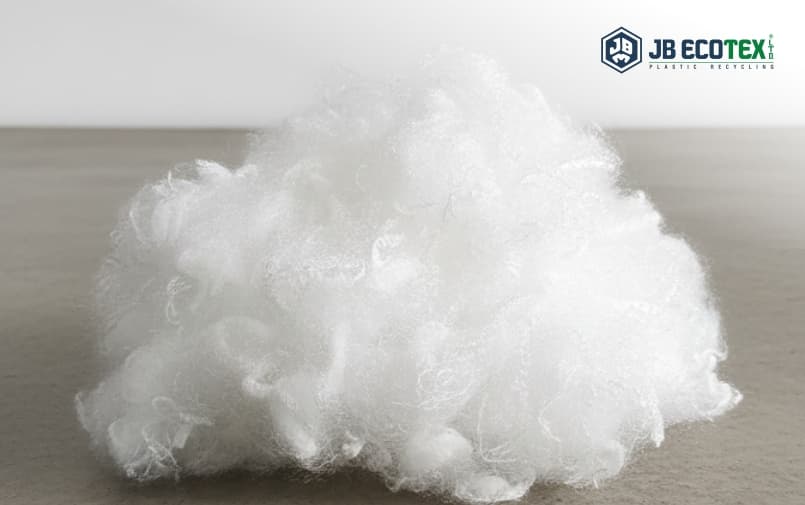
Industrial Applications of Low Denier RPSF Fiber
Low denier recycled fibers are widely used in industries where softness, density, and fine texture are important.
Common applications include:
Home textiles
- pillow filling
- cushion materials
- mattress padding
Nonwoven fabrics
- hygiene products
- filtration media
- insulation layers
Automotive interiors
- seat padding
- acoustic insulation materials
Geotextiles
- drainage layers
- filtration fabrics
For these applications, manufacturers typically source fibers from experienced recycled polyester staple fiber suppliers capable of maintaining consistent fiber fineness and crimp structure.
High Denier Recycled Polyester Fiber: Characteristics and Applications
High denier fibers typically range from 6 denier to 15 denier or higher, depending on the industrial requirement.
These fibers are thicker and stronger, designed for structural applications where durability is critical.
Key Characteristics of High Denier Recycled Polyester Fiber
High denier recycled polyester fiber provides several performance benefits.
1. Higher tensile strength
Thicker fibers can withstand greater mechanical stress.
2. Greater durability
Products made with high denier fibers resist wear and tear more effectively.
3. Stronger bonding structure
These fibers create robust fiber networks when used in nonwoven materials.
4. Improved resilience
High denier fibers maintain shape and structure under repeated stress.
Industrial Applications of High Denier RPSF
High denier fibers are typically used in heavy-duty applications such as:
Automotive textiles
- trunk liners
- headliners
- carpet backing
Construction materials
- geotextiles
- reinforcement layers
Furniture padding
- mattress core layers
- seating structures
Industrial nonwovens
- filtration layers
- insulation materials
These products often require fiber sourced from a polyester staple fiber factory that can maintain tight control over RPSF fiber specifications such as denier consistency, crimp structure, and tenacity.
Low Denier vs High Denier RPSF: Key Differences
When comparing fiber grades, industrial buyers often evaluate the following differences.
| Parameter |
Low Denier RPSF |
High Denier RPSF |
| Fiber thickness |
Fine |
Thick |
| Texture |
Soft and smooth |
Firm and durable |
| Fabric density |
High |
Moderate |
| Strength |
Moderate |
High |
| Applications |
Filling, filtration, lightweight textiles |
Automotive, geotextiles, heavy-duty materials |
Both fiber types are produced by recycled polyester staple fiber manufacturers, but they serve very different purposes in industrial manufacturing.

Major Industrial Applications of Recycled Polyester Staple Fiber
Recycled polyester staple fiber is used across several industries where durability, thermal stability, and structural performance are required.
Manufacturers sourcing from reliable recycled polyester staple fiber suppliers often use these fibers in a wide range of industrial applications.
Automotive Interiors
RPSF is widely used in:
- seat cushioning
- headliners
- trunk liners
- acoustic insulation layers
Automotive manufacturers prefer recycled polyester fibers because they combine strength with lightweight properties.
Nonwoven Fabrics
Nonwoven manufacturing is one of the largest
uses of industrial polyester staple fiber.
These materials are used in:
- filtration media
- insulation layers
- hygiene products
- construction materials
Fiber denier plays a critical role in determining filtration efficiency and structural stability in these applications.
Geotextiles and Infrastructure Materials
In infrastructure projects, recycled polyester fibers are used to produce geotextiles that support:
- soil stabilization
- drainage systems
- erosion control
High denier recycled polyester fiber is particularly useful in these applications because of its structural strength.
Home Furnishing Materials
Low denier fibers and micro siliconised fibres are widely used in:
- pillow filling
- mattress padding
- cushion materials
These applications benefit from the softness and bulk properties of fine denier fibers.
How Manufacturers Choose the Right Fiber Grade
Selecting the appropriate fiber type involves evaluating both product performance and processing requirements.
Industrial buyers typically consider the following factors when sourcing from recycled polyester staple fiber suppliers.
Processing Method
Different manufacturing processes require different fiber structures.
For example:
- needle-punched nonwovens may require higher denier fibers
- spunbond or fine filtration materials often use lower denier fibers
End Product Durability
Applications exposed to heavy mechanical stress generally require high denier recycled polyester fiber for better strength.
Fabric Density
Products requiring dense fiber structures often rely on low denier RPSF fiber.
Cost and Material Efficiency
In some applications, thicker fibers reduce fiber consumption, which can influence production economics.
Because of these variables, fiber procurement teams typically review detailed RPSF fiber specifications before finalizing sourcing decisions.
Sustainability Benefits of Recycled Polyester Staple Fiber
The shift toward recycled polyester staple fiber is driven not only by technical performance but also by sustainability considerations.
Using recycled polyester helps reduce:
- landfill waste from PET bottles
- energy consumption compared to virgin polyester production
- dependence on fossil fuel based raw materials
Many industries today are actively sourcing materials from responsible recycled polyester staple fiber manufacturers to support circular economy goals.
This transition is particularly visible in sectors such as automotive, home textiles, and construction materials.
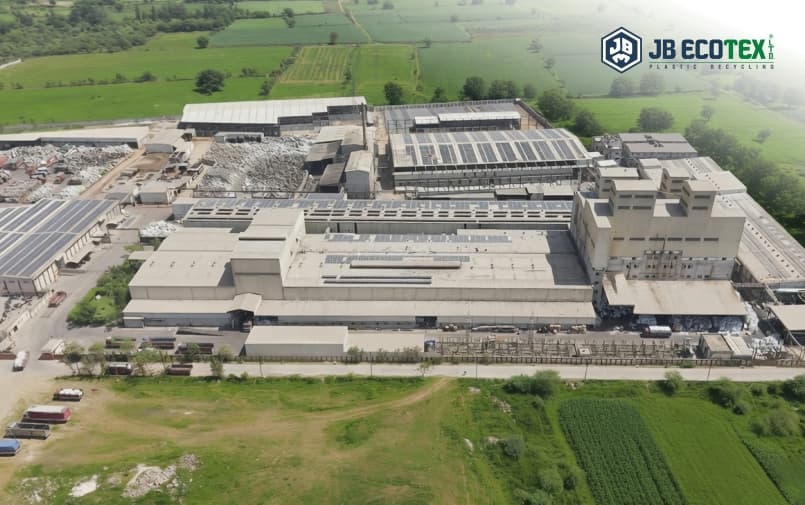
The Role of Reliable Recycled Polyester Staple Fiber Suppliers
Fiber quality consistency plays a critical role in industrial manufacturing.
Variations in fiber denier, crimp, or finish can significantly impact downstream processes such as spinning, carding, or needle punching.
Reliable recycled polyester staple fiber suppliers focus on:
- consistent denier control
- uniform fiber cut length
- stable crimp structure
- quality testing for industrial processing
For manufacturers producing large volumes of technical textiles or nonwoven materials, fiber consistency is often just as important as price.
How to Evaluate Recycled Polyester Staple Fiber Suppliers
Choosing the right supplier is an important step for manufacturers that rely on regenerated polyester fibers as a key raw material.
Not all recycled polyester staple fiber suppliers offer the same level of quality control or technical consistency.
Buyers typically evaluate suppliers based on the following factors.
Raw Material Traceability
Reliable manufacturers maintain strict control over PET waste sourcing and processing to ensure consistent recycled material quality.
Fiber Consistency
Uniform denier, cut length, and crimp structure are essential for stable processing in spinning or nonwoven production lines.
Production Capacity
Industrial manufacturers often require large quantities
of fiber.
A well-established polyester staple fiber factory should be able to
maintain consistent supply volumes.
Technical Support
Experienced recycled polyester staple fiber manufacturers can guide buyers on selecting the correct fiber grade for specific industrial applications.
This collaboration often improves manufacturing efficiency and product performance.
JB Ecotex: Recycled Polyester Staple Fiber Manufacturing Capabilities
Among the emerging recycled polyester staple fiber manufacturers, JB Ecotex has built capabilities in producing high-quality recycled fibers designed for industrial applications.
The company operates an integrated recycling ecosystem where PET waste is processed and converted into value-added polyester materials.
Recycled Polyester Staple Fiber at JB Ecotex
JB Ecotex produces recycled polyester staple fiber suitable for multiple industrial sectors including:
- nonwoven manufacturing
- automotive interiors
- insulation materials
- geotextiles and industrial fabrics
Their fiber production focuses on maintaining reliable RPSF fiber specifications, ensuring that manufacturers receive consistent fiber properties suitable for large-scale industrial processing.
Focus on Industrial Applications
The recycled polyester fibers produced by JB Ecotex are designed to support industrial polyester staple fiber requirements, including applications that demand durability, structural strength, and stable fiber behavior during processing.
Circular Manufacturing Approach
By converting PET waste into reusable textile raw materials, the company contributes to the broader shift toward circular polyester production systems.
For manufacturers sourcing from experienced recycled polyester staple fiber suppliers, the ability to access technically consistent recycled fiber becomes increasingly important as industries expand their use of recycled inputs.
Choosing the Right Fiber for Your Industrial Application
The choice between low and high denier recycled polyester staple fiber ultimately depends on how the material will be used.
Manufacturers working with industrial polyester staple fiber typically evaluate:
- processing method
- required durability
- fabric density
- structural performance
- end-use environment
Low denier fibers offer softness and high fiber density, making them suitable for filtration materials, insulation, and lightweight nonwoven fabrics.
High denier fibers deliver strength and resilience, making them ideal for heavy-duty materials such as geotextiles, automotive components, and industrial padding.
Working with experienced recycled polyester staple fiber suppliers helps brands making the switch to rPET match fiber characteristics with production requirements more effectively.

Why Demand for Recycled Polyester Staple Fiber Is Increasing Worldwide
Across industries, the demand for recycled polyester materials has grown significantly over the past decade.
Manufacturers are increasingly replacing virgin polyester with recycled alternatives as part of broader sustainability strategies.
Several factors are driving this shift.
Circular Economy Initiatives
Many industries are adopting circular production models where waste materials are reused as raw inputs.
Recycled polyester staple fiber plays an important role in these systems by converting PET waste into valuable textile materials.
Environmental Regulations
Governments and global brands are encouraging the use of recycled materials over virgin to reduce landfill waste and plastic pollution.
This has increased demand for reliable recycled polyester staple fiber manufacturers capable of producing consistent recycled fibers.
Industrial Performance Requirements
Modern recycled fibers offer performance characteristics that are comparable to many virgin polyester products.
As a result, industries such as automotive, construction, and nonwovens are increasingly adopting industrial polyester staple fiber produced from recycled sources.
Understanding Fiber Specifications Helps Manufacturers Make Better Decisions
Recycled polyester staple fiber has become an essential material in modern industrial manufacturing.
As industries increasingly adopt recycled inputs, understanding fiber characteristics such as denier becomes critical for selecting the right raw material.
Both low denier RPSF fiber and high denier recycled polyester fiber serve important roles across industries ranging from filtration and nonwovens to automotive and construction materials.
For manufacturers sourcing from recycled polyester staple fiber manufacturers, evaluating the right RPSF fiber specifications ensures that the selected fiber supports both product performance and production efficiency.
As demand for sustainable materials continues to grow, recycled polyester staple fiber will remain a key raw material for industries seeking durable, responsible, and technically reliable textile inputs.
Frequently Asked Questions About Recycled Polyester Staple Fiber
What is recycled polyester staple fiber?
Recycled polyester staple fiber is a synthetic fiber made by recycling PET materials such as post-consumer plastic bottles. The recycled PET is processed, melted, and converted into short fibers that can be used to manufacture nonwoven fabrics, yarns, insulation materials, and other industrial textile products.
What is the difference between low denier and high denier recycled polyester fiber?
Low denier recycled polyester fiber is finer and softer, making it suitable for applications like filling materials, filtration media, and lightweight nonwoven fabrics. High denier recycled polyester fiber is thicker and stronger, which makes it ideal for industrial applications such as automotive interiors, geotextiles, and heavy-duty nonwoven materials.
What are the typical RPSF fiber specifications used in industrial manufacturing?
Common RPSF fiber specifications include denier, cut length, tenacity, elongation, and crimp structure. These parameters determine how the fiber performs during processing and in the final product. Industrial polyester staple fiber is typically produced in cut lengths such as 32 mm, 38 mm, and 51 mm depending on the manufacturing process.
What industries use recycled polyester staple fiber?
Recycled polyester staple fiber is widely used in industries such as automotive manufacturing, home furnishing, construction, filtration, and nonwoven fabric production. These industries use industrial polyester staple fiber to produce products like insulation materials, seat padding, geotextiles, and filtration fabrics.
How do manufacturers choose the right recycled polyester staple fiber suppliers?
Manufacturers usually evaluate recycled polyester staple fiber suppliers based on fiber consistency, production capacity, raw material traceability, and technical expertise. Reliable recycled polyester staple fiber manufacturers maintain consistent RPSF fiber specifications and ensure stable supply for large-scale industrial manufacturing.
What denier range is commonly used for industrial polyester staple fiber?
Industrial polyester staple fiber is typically produced in denier ranges between 1.2D and 15D, depending on the application. Low denier RPSF fiber is used for softer and denser textile structures, while high denier recycled polyester fiber is preferred for applications that require durability and structural strength.
How is recycled polyester staple fiber produced?
Recycled polyester staple fiber is produced by collecting PET waste, cleaning and processing it into flakes, melting the material, and extruding it into filament fibers. These filaments are then cut into staple lengths to produce fibers that can be used in spinning, nonwoven manufacturing, and industrial textile applications.
Why is recycled polyester staple fiber considered sustainable?
Recycled polyester staple fiber helps reduce plastic waste and decreases the need for virgin petroleum-based polyester production. By converting post-consumer PET materials into textile fibers, recycled polyester staple fiber manufacturers support circular material systems and reduce environmental impact in the textile industry.
What is the role of recycled polyester staple fiber in nonwoven manufacturing?
Recycled polyester staple fiber is widely used in nonwoven manufacturing because it offers strength, durability, and thermal stability. Low denier RPSF fiber is commonly used in filtration and lightweight fabrics, while high denier recycled polyester fiber is used in structural nonwoven materials.
How do recycled polyester staple fiber manufacturers ensure fiber quality?
Recycled polyester staple fiber manufacturers control production parameters such as denier uniformity, cut length consistency, crimp structure, and fiber strength. Maintaining stable RPSF fiber specifications is essential for ensuring smooth processing in spinning, carding, and nonwoven manufacturing operations.