
The rPET Resin Journey: From Plastic Waste to Sustainable Packaging
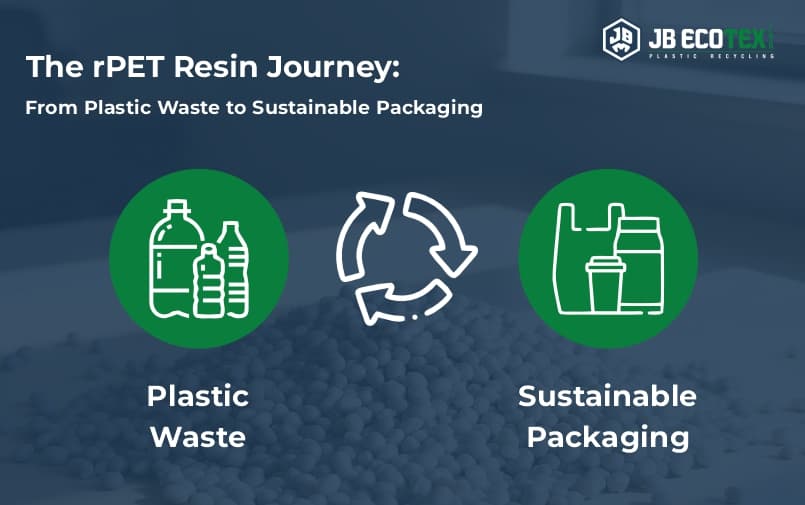
Across the world, packaging manufacturers are facing a shift that is reshaping the plastics industry.
For decades, packaging relied almost entirely on virgin PET resin, produced from fossil-based feedstock. It delivered clarity, strength, and consistency. But it also created a linear system where plastic packaging was produced, used once, and discarded.
That model is no longer viable.
Regulatory frameworks, brand commitments, and consumer expectations are pushing industries toward circular material flows. Packaging producers today are increasingly asked one critical question:
How much recycled content does your packaging contain?
This is where rPET resin enters the picture.
Made by recycling post-consumer PET bottles and converting them into high-quality resin again, rPET allows packaging manufacturers to maintain the performance of PET while reducing dependence on virgin resources.
Today, rPET resin is becoming an important material in the global packaging industry, supporting sustainable packaging goals while keeping supply chains operational.
The Global rPET Resin Market and Why Demand Is Growing
The global recycled PET market has expanded over the last decade. What was once considered a niche sustainability initiative is now a structural change in how packaging materials are sourced.
Several factors are driving the rising demand for rPET resin.
1. Corporate Sustainability Commitments
Major global brands across food, beverage, cosmetics, and household products have announced clear targets for recycled plastic use.
Common commitments include:
- 25% to 50% recycled content in packaging
- 100% recyclable packaging formats
- reduction of virgin plastic use
- increased use of sustainable packaging resin
These commitments are not marketing statements anymore. Many companies now publish annual sustainability reports tracking their progress.
As a result, packaging converters and manufacturers are actively sourcing rPET resin suppliers capable of delivering consistent recycled material.
2. Regulatory Pressure on Plastic Packaging
Governments worldwide are introducing policies to reduce plastic waste and increase recycled material usage.
Examples include:
- Extended Producer Responsibility (EPR) frameworks
- recycled content mandates
- plastic taxation for virgin materials
- deposit return systems for PET bottles
Such policies are expanding quickly across Europe, North America, and Asia.
In many regions, brands are required to demonstrate how their packaging contributes to circular economy goals. This has created a demand for recycled packaging polymer suppliers capable of supporting these regulatory requirements.
3. Consumer Preference for Sustainable Packaging
Consumers are more aware of the environmental impact of plastic waste.
Surveys consistently show that buyers increasingly prefer products packaged in materials that:
- use recycled plastic
- reduce landfill waste
- support circular economy initiatives
While price and convenience remain important, sustainability is influencing purchasing decisions across many product categories.
For brands, using sustainable packaging resin like rPET has become part of maintaining brand trust.
4. Reduced Dependence on Virgin Plastic
The petrochemical industry remains volatile due to fluctuations in crude oil prices and supply chains.
Using rPET resin allows packaging manufacturers to diversify raw material sources while reducing their dependence on fossil-based feedstocks.
Many companies now treat recycled PET not just as a sustainability solution but also as a strategic raw material alternative.
What Is rPET Resin and Why It Matters in Packaging
Before exploring the recycling process, it helps to understand what rPET resin actually is.
rPET resin refers to polyethylene terephthalate material that has been recycled and processed back into usable resin form.
PET itself is a widely used plastics globally because it offers:
- high clarity
- strong mechanical properties
- excellent barrier characteristics
- good processability for packaging
These properties make PET ideal for applications such as:
- beverage bottles
- food packaging trays
- thermoformed packaging
- cosmetic containers
- pharmaceutical packaging
When PET bottles are collected, cleaned, and recycled properly, they can be converted into recycled PET resin suitable for packaging applications again.
This creates a closed material loop, where plastic waste becomes raw material for new packaging products.
How rPET Resin Compares to Virgin PET in Packaging Performance
One of the first questions packaging manufacturers ask when evaluating recycled material is whether rPET resin performs differently from virgin PET.
Modern recycling technologies have improved the quality of recycled PET, allowing it to match many of the performance characteristics required in packaging production.
Key performance parameters buyers evaluate include:
Mechanical Strength
Well-processed rPET resin maintains the tensile strength required for packaging applications such as bottles, trays, and thermoformed containers.
Clarity and Appearance
For packaging where product visibility matters, clarity is an important factor. Advances in sorting and purification technologies now allow high-quality sustainable packaging resin to achieve clarity levels suitable for many consumer packaging applications.
Process Stability
Packaging converters rely on stable processing behavior during:
- injection moulding
- extrusion
- thermoforming
- blow molding
Reliable rPET resin suppliers provide material with controlled viscosity and melt behavior to ensure smooth production runs.
Food Contact Compatibility
In food packaging applications, recycled PET must meet strict regulatory standards regarding contamination removal and material safety.
Because of these improvements in recycling technology, rPET resin is now widely used in applications that previously depended entirely on virgin PET.
From Plastic Waste to rPET Resin: The Recycling Journey
The transformation from discarded plastic bottles to rPET resin involves multiple industrial stages. Each step is critical to ensure the recycled material meets performance requirements for packaging applications.
1. Collection of Post-Consumer PET Bottles
The journey begins with the collection of PET bottles after consumer use.
Collection systems typically include:
- municipal recycling programs
- waste management facilities
- deposit return schemes
- commercial recycling networks
PET bottles are one of the most widely recycled plastics globally because they are easy to identify and separate from other plastic materials.
Once collected, they are transported to recycling facilities for sorting.
2. Sorting and Material Separation
At recycling facilities, collected plastic waste is sorted to isolate PET bottles from other materials.
Sorting technologies may include:
- optical sorting systems
- infrared material detection
- automated conveyor separation
- manual quality inspection
This stage is important because contamination from other plastics can affect the quality of rPET resin produced later in the process.
3. Cleaning and Processing into PET Flakes
After sorting, bottles undergo washing and size reduction.
The bottles are:
- crushed
- washed in hot water
- cleaned with detergents
- rinsed to remove labels and adhesives
The output of this stage is clean PET flakes.
High-quality flakes are essential because they form the base material used to produce recycled PET resin.
4. Melt Processing and Pelletisation
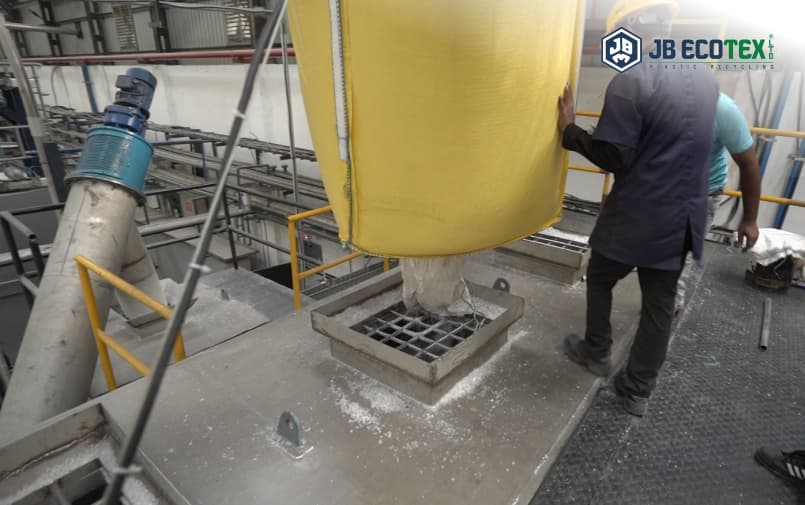
The PET flakes are then melted and filtered to remove remaining impurities.
This process involves:
- extrusion
- melt filtration
- pellet formation
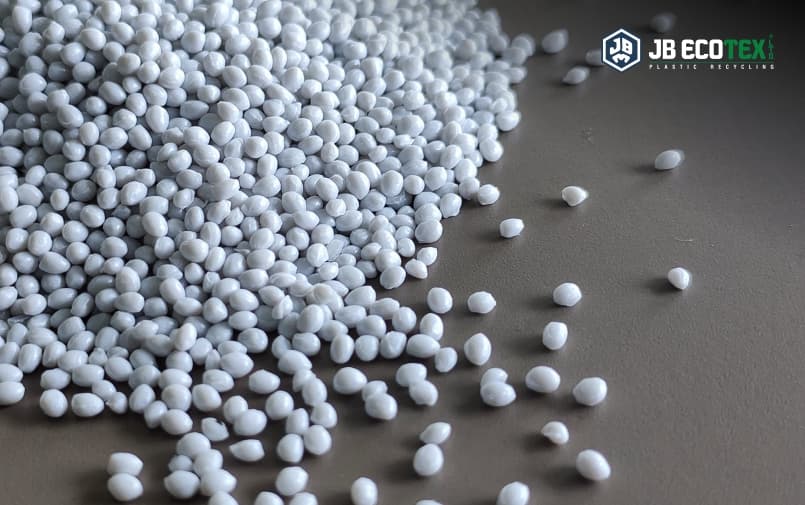
The result is recycled PET pellets, commonly referred to as rPET resin.
At this stage, the material can be tailored for specific applications depending on processing conditions and required properties.
Key Industries Using rPET Resin in Packaging
Demand for rPET resin suppliers is increasing across multiple industries where packaging plays a central role.
Some of the largest users include:
Beverage Industry
PET bottles dominate beverage packaging because of their strength and lightweight properties.
Using rPET resin allows beverage companies to maintain bottle performance while increasing recycled content.
Food Packaging
Food manufacturers increasingly use sustainable packaging resin for trays, containers, and thermoformed packaging.
Strict regulatory standards apply in this sector, requiring high-quality recycling processes.
Personal Care and Cosmetics
Cosmetic packaging often uses PET containers because of their transparency and durability.
Many brands now prefer packaging made from recycled PET resin exporters who can provide material for sustainable packaging initiatives.
Household Products
Cleaning product bottles, detergent containers, and household packaging increasingly incorporate rPET resin to meet sustainability targets.
Beyond Bottles: Expanding Applications of rPET Resin in Modern Packaging
While beverage bottles remain the most visible example, rPET resin is used across a far wider range of packaging applications than many buyers initially assume.
As recycling technology improves, manufacturers are increasingly using recycled PET across diverse industries.
Food Service Packaging
Restaurants, quick service chains, and ready-to-eat food manufacturers use PET trays and containers for products such as:
- salads
- bakery items
- fresh fruit packaging
- prepared meals
Using sustainable packaging resin helps brands meet sustainability commitments while maintaining packaging transparency and durability.
E-Commerce Protective Packaging
With the rapid growth of e-commerce, packaging requirements are expanding beyond traditional retail.
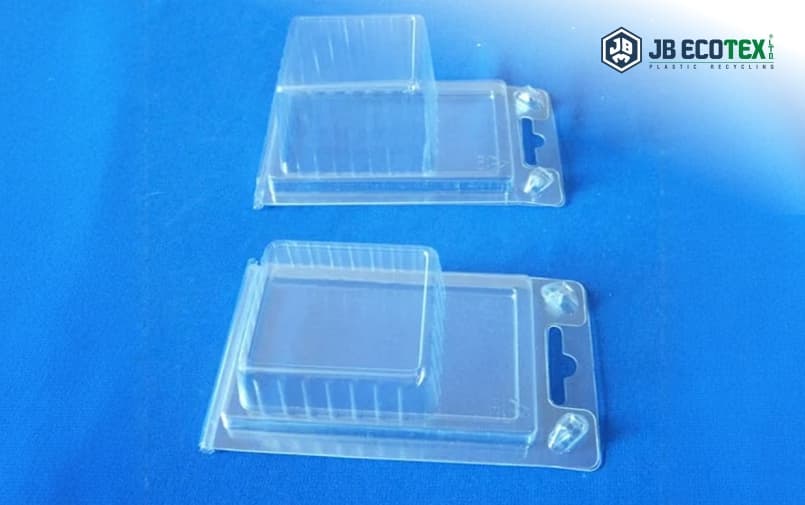
PET packaging formats made using rPET resin are used in:
- product blister packs
- electronics protective shells
- molded packaging inserts
- display packaging
These applications benefit from PET's strength and clarity while allowing brands to reduce virgin plastic use.
Pharmaceutical and Healthcare Packaging
The healthcare sector requires packaging that provides both protection and material consistency.
PET containers and blister packaging made from recycled PET resin exporters are used for:
- vitamin bottles
- medical device packaging
- diagnostic kit containers
- transparent protective packaging
Because PET is chemically stable and lightweight, it remains a preferred packaging material in many healthcare applications.
Personal Care and Cosmetic Packaging
Transparent PET packaging is widely used in cosmetics and personal care products.
Examples include:
- shampoo bottles
- skincare containers
- fragrance packaging components
- beauty product blister packs
Brands in this sector increasingly prefer recycled packaging polymer suppliers to align packaging materials with sustainability messaging.
Industrial and Hardware Packaging
Industrial product packaging also relies on PET materials.
Applications include:
- hardware tool packaging
- electrical component blister packs
- industrial spare part packaging
- transparent protective casings
Using rPET resin in these applications helps manufacturers lower environmental impact without changing packaging formats.
How Brands Evaluate rPET Resin Suppliers
For packaging manufacturers and brand owners, sourcing recycled material requires careful evaluation.
Several factors influence how buyers select rPET resin suppliers. Packaging production requires predictable material behavior.
Material Consistency
Buyers evaluate:
- intrinsic viscosity levels
- melt flow properties
- contamination levels
- pellet uniformity
Reliable recycled packaging polymer suppliers ensure consistent quality across production batches.
Regulatory Compliance
Packaging applications, especially food contact packaging, require compliance with regulatory frameworks.
Buyers often look for suppliers capable of meeting certification standards related to recycling and material traceability.
Supply Stability
As demand for recycled plastic grows, supply consistency becomes critical.
Large manufacturers prefer recycled PET resin exporters with stable production capacity and reliable logistics.
Traceability and Sustainability
Reporting Many brands track the environmental footprint of their packaging materials.
This requires:
- traceable recycling streams
- documentation of recycled content
- sustainability data for reporting frameworks
Regulations Accelerating rPET Resin Adoption
Government regulations are a driver behind the expansion of the global recycled PET market.
Policies aimed at reducing plastic waste are increasingly requiring the use of recycled materials.
Extended Producer Responsibility (EPR)
EPR frameworks require companies to take responsibility for the lifecycle of their packaging.
This often includes:
- financing recycling programs
- meeting recycling targets
- increasing recycled content in packaging
Such policies encourage the use of rPET resin to meet compliance requirements.
Recycled Content Mandates
Some countries have introduced mandatory recycled content percentages for plastic packaging.
For example, beverage bottles may require a minimum percentage of recycled plastic.
These mandates significantly increase demand for recycled packaging polymer suppliers.
Plastic Waste Reduction Targets
Governments worldwide are introducing policies aimed at reducing landfill plastic waste.
Encouraging circular material flows is one of the main strategies used to achieve these goals.
This is expanding the role of sustainable packaging resin in global packaging supply chains.
The Environmental Impact of Using rPET Resin
Using recycled PET has several environmental advantages compared to virgin plastic production.
Lower Carbon Footprint
Producing rPET resin typically requires less energy than producing virgin PET from petrochemical feedstocks.
This reduces greenhouse gas emissions associated with packaging production.
Reduced Landfill Waste
Recycling PET bottles helps divert plastic waste from landfills and natural ecosystems.
By converting waste into new material, the recycling process supports circular resource use.
Reduced Resource Extraction
Virgin plastic production depends on fossil resources such as crude oil and natural gas.
Using sustainable packaging resin helps reduce reliance on these resources.
Challenges in Scaling the Global Recycled PET Market
Despite rapid growth, the global recycled PET market still faces several challenges.
Collection Infrastructure Limitations
Many regions still lack efficient recycling collection systems.
Without sufficient feedstock, it becomes difficult for rPET resin suppliers to scale production.
Material Contamination
Plastic waste streams often contain mixed materials, labels, and adhesives.
Improving sorting and cleaning technologies remains important to maintain resin quality.
Supply Demand Imbalance
Demand for recycled plastics is growing faster than supply in many regions.
This creates price fluctuations and challenges for recycled PET resin exporters trying to meet global demand.
The Future of rPET Resin in Sustainable Packaging
Looking ahead, the role of rPET resin in packaging will likely continue expanding.
Several trends are shaping the future of the industry.
Increased Recycling Technologies
Advancements in recycling technology are improving material quality and production efficiency.
This allows recycled PET to meet the technical requirements of more packaging applications.
Circular Economy Integration
Companies across the value chain are working toward circular systems where packaging materials remain in continuous reuse cycles.
Recycled PET is central to this transition.
Stronger Global Regulations
Regulatory frameworks supporting recycled materials are expected to expand across more countries.
This will continue to increase demand for recycled packaging polymer suppliers.
What Packaging Manufacturers Should Look for When Choosing rPET Resin Suppliers
As demand grows, selecting the right rPET resin suppliers becomes increasingly important for packaging manufacturers.
Not all recycled PET materials perform the same way, and differences in recycling processes can significantly affect production results.
Buyers typically evaluate several factors when selecting recycled PET resin exporters.
Feedstock Quality
The quality of input PET waste directly influences the final resin quality. Suppliers that rely on well-sorted PET bottle streams typically produce more consistent recycled resin.
Recycling Technology
The recycling process used to convert PET flakes into resin affects material purity and performance.
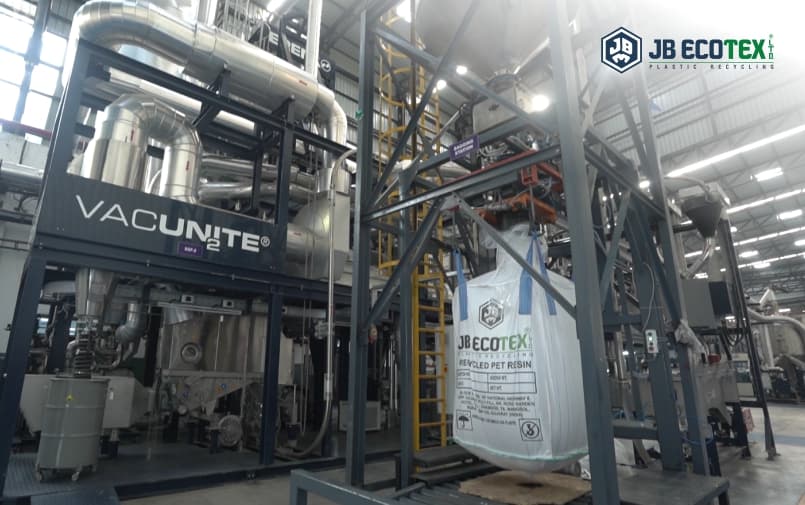
Advanced filtration, decontamination, and pelletisation technologies help produce sustainable packaging resin suitable for demanding packaging applications.
Consistency Across Batches
Packaging manufacturing requires stable material behavior.
Buyers usually test resin batches for:
- viscosity stability
- melt flow properties
- pellet uniformity
- contamination levels
Reliable recycled packaging polymer suppliers maintain strict quality control to ensure repeatable performance.
Supply Reliability
As the global recycled PET market grows, supply availability becomes an important consideration.
Large packaging producers prefer suppliers capable of delivering consistent material volumes to support long-term production planning.
Supporting Circular Packaging with Recycled PET Resin
As demand for recycled plastics continues to grow, the role of reliable rPET resin suppliers becomes increasingly important for packaging manufacturers.
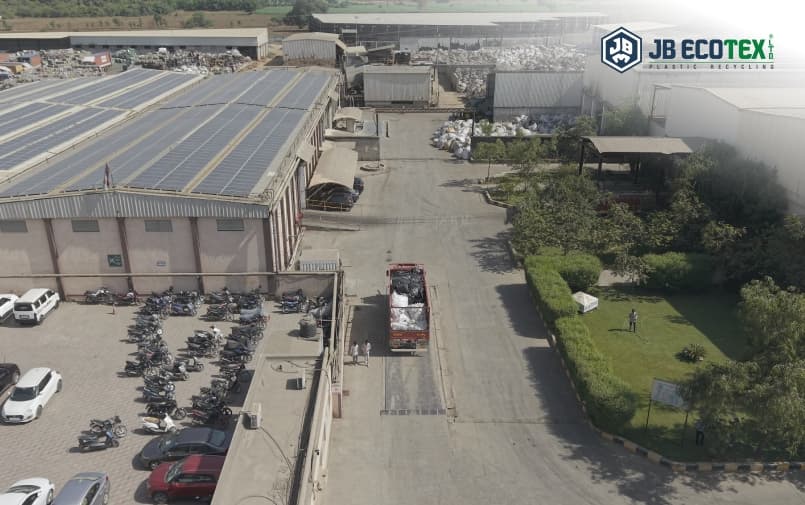
Companies working in advanced PET recycling help transform post-consumer plastic waste into high-quality raw material that can re-enter packaging production cycles.
At JB Ecotex, the focus is on converting post-consumer PET waste into value-added recycled materials used across textile and packaging applications.
Through integrated recycling operations, the company processes collected PET waste into recycled raw materials that support circular material use.
By working with responsible recycled packaging polymer suppliers, manufacturers can strengthen their sustainability initiatives while ensuring reliable raw material supply for packaging production.
Why rPET Resin Is Central to the Future of Packaging
The packaging industry is undergoing one of the most significant material transitions in decades.
Growing regulatory pressure, consumer expectations, and sustainability commitments are pushing manufacturers to rethink how packaging materials are sourced.
rPET resin offers a practical path forward.
By transforming plastic waste into usable packaging material, it helps industries:
- reduce dependence on virgin plastics
- meet regulatory requirements
- support circular economy goals
- respond to growing demand for sustainable packaging
As recycling systems improve and the global recycled PET market expands, recycled PET will play an increasingly central role in packaging production worldwide.
For manufacturers and brands looking to future-proof their packaging supply chains, working with reliable rPET resin suppliers is becoming a key step in building sustainable packaging systems.
Frequently Asked Questions About rPET Resin
What is rPET resin?
rPET resin is recycled polyethylene terephthalate produced by processing post-consumer PET waste such as plastic bottles into reusable plastic pellets. These pellets are used to manufacture packaging products including bottles, trays, and containers.
How is rPET resin made?
rPET resin is produced by collecting used PET bottles, sorting and cleaning them, converting them into PET flakes, and then melting and pelletising the material into recycled plastic resin suitable for packaging manufacturing.
What industries use rPET resin?
Industries that commonly use rPET resin include beverage packaging, food packaging, personal care products, pharmaceuticals, electronics packaging, and industrial product packaging.
Is rPET resin safe for food packaging?
Yes. When processed using approved recycling technologies and regulatory standards, rPET resin can be used in food packaging applications such as beverage bottles and food containers.
Why is rPET resin important for sustainable packaging?
rPET resin reduces dependence on virgin plastic made from fossil fuels and helps convert plastic waste into reusable raw material, supporting circular economy packaging systems.
What is driving the growth of the global recycled PET market?
The global recycled PET market is expanding due to government regulations, corporate sustainability targets, increased recycling infrastructure, and growing consumer demand for environmentally responsible packaging.
What should manufacturers check when sourcing rPET resin?
Manufacturers should evaluate resin quality, recycling technology, batch consistency, regulatory compliance, and supply reliability when selecting rPET resin suppliers.
How does rPET resin reduce environmental impact?
Using recycled PET reduces landfill waste, lowers carbon emissions associated with plastic production, and decreases reliance on fossil resources used to produce virgin PET.